Label Printers – what you need to know as a reseller
A label printer is specifically designed for producing labels, barcodes, shipping tags, or product markings on materials ranging from paper to plastic and thermal media. While a standard laser or inkjet printer is ideal for documents, a label printer is optimized for precision, durability, and special formats such as parcel labels, receipts, or stickers. They are used across industries – from logistics and warehousing to retail, manufacturing, offices, and healthcare – ensuring fast and consistent labeling that is easy to read.
The most common types
Direct thermal (DT): A simple and cost-effective solution where heat activates a special paper. Ideal for temporary labels such as shipments or receipts. The drawback is that labels fade quickly, especially in sunlight or heat.
Thermal transfer (TT): Uses a ribbon that is melted onto the label, providing extremely durable results and allowing printing on plastic and synthetic materials. Suitable for warehousing, industry, laboratories, and outdoor use.
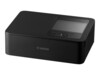
Ink-based label printers: Chosen when color, images, or branding is required on the label. Popular in retail, cosmetics, and food industries where visual presentation matters.
Laser-based solutions: Less common, but used for larger volumes of labels printed on sheets – typically in office environments.
Key specifications to consider
Resolution: Most models range from 200 to 600 DPI. Higher resolution ensures sharper barcodes and text.
Print width: From small handheld units to industrial machines capable of printing wide labels.
Speed: Crucial in logistics and production environments where thousands of labels may be printed daily.
Connectivity: USB, Wi-Fi, Bluetooth, or Ethernet. Many models support cloud integration and mobile apps.
System integration: Must be compatible with ERP, warehouse, and shipping solutions such as GLS, PostNord, or UPS.
Typical use cases
- Logistics and shipping: address and barcode labels.
- Retail: price tags and promotional labels. Manufacturing and warehousing: production labels, batch numbers, and pallet labeling.
- Healthcare: labeling test tubes, patient wristbands, and medication.
- Office and administration: archiving and mail handling. Branding: colorful product and marketing labels.
Advantages of having your own label printer
Fast production of custom labels without ordering from a print shop. Low unit costs for larger volumes. Possibility to use special materials resistant to water, UV, and chemicals. Compact models can be placed directly on the packing line or in the office.
Leading manufacturers
Zebra – market leader in industrial labeling solutions.
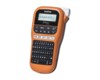
Brother – wide range of desktop and mobile label printers.
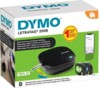
Dymo – ideal for office and small business use.
Epson – strong in color inkjet and branding labels.
TSC and SATO – robust choices for industrial and logistics environments.