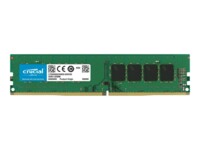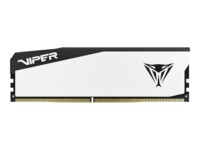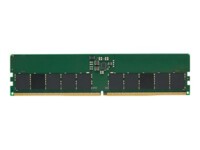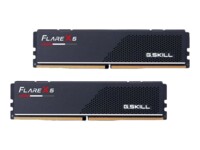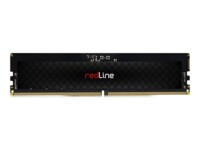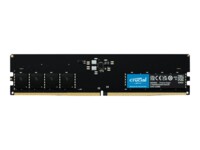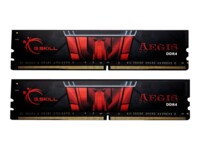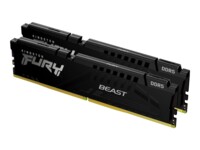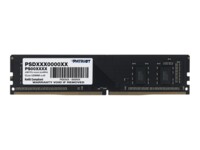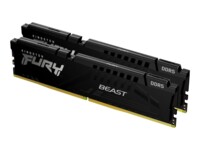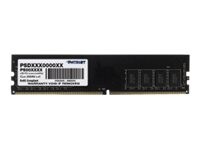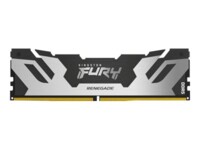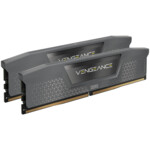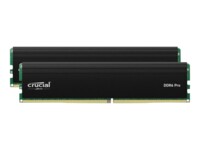
Desktop RAM
Desktop RAM is a core component in stationary PC systems, where performance, speed and compatibility directly affect overall system efficiency. Memory capacity and quality play a crucial role in system responsiveness, multitasking and the ability to run demanding applications. This category covers office desktops, workstations and performance-oriented PCs where the correct choice of RAM technology and specifications is essential.
Advantages for Resellers
A focused assortment of desktop memory enables precise matching of platform requirements without unnecessary complexity. Desktop RAM is frequently used for upgrades and replacements, making it a high-demand component for both maintenance and performance improvements. The category supports standard configurations, project deliveries and ongoing system optimisation where motherboard compatibility and stability are key considerations.
Key Considerations in This Category
- Technology – selection between DDR5 SDRAM, DDR4 SDRAM and DDR3 SDRAM depends on platform generation, chipset support and system lifecycle.
- Data integrity – differences between Non-ECC, On-die ECC and ECC impact stability levels and suitability for specific workloads.
- Memory speed – supported frequencies such as 2400 MHz, 2666 MHz, 2800 MHz and 3000 MHz influence overall system performance.
- Compatibility – correct module type, capacity and support for motherboard specifications are essential.
- Performance and operation – faster and more stable RAM improves multitasking and reduces system bottlenecks.
Category Scope
Desktop RAM
Memory modules designed specifically for desktop PCs, aligned with different platforms, generations and performance requirements.
Brands in This Category
Frequently Asked Questions
What is the difference between DDR5, DDR4 and DDR3?
The differences relate to generation, speed and platform compatibility; newer systems typically support DDR5 or DDR4.
When is ECC memory required?
ECC is primarily used in systems where data integrity and operational stability are critical.
How does memory speed affect system performance?
Higher memory frequencies allow faster data access and improved multitasking.
Is desktop RAM universally compatible?
No, memory must match the motherboard’s supported technology, capacity and frequency.
When should desktop RAM be upgraded?
When system responsiveness decreases, multitasking increases or other components are upgraded.